How the 'Politics Industry' Breaks Everything: ICE, CA Governor’s Race, and Reform
Steve Peace -- co-founder of the Independent Voter Project and architect of California’s Top Two primary -- breaks down the wide-open California governor’s race and why campaigns still think in party buckets. The hosts dig into open primaries plus ranked-choice, ICE/immigration and civil liberties,

Steve Peace -- co-founder of the Independent Voter Project and architect of California’s Top Two primary -- breaks down the wide-open California governor’s race and why campaigns still think in party buckets. The hosts dig into open primaries plus ranked-choice, ICE/immigration and civil liberties, voter ID and ballot security, and the controversy over seized Fulton County ballots, Plus, a quick update on Attack of the Killer Tomatoes and the USS Midway’s Freedom Park.
Episode Highlights
This episode centers on the emerging California governor’s race, the fragmentation of traditional party coalitions, and how open primaries and nonpartisan election systems are reshaping campaign strategy. Peace argues that no candidate has a clear lead and that billionaire self-funded campaigns, while highly visible, historically struggle in California.
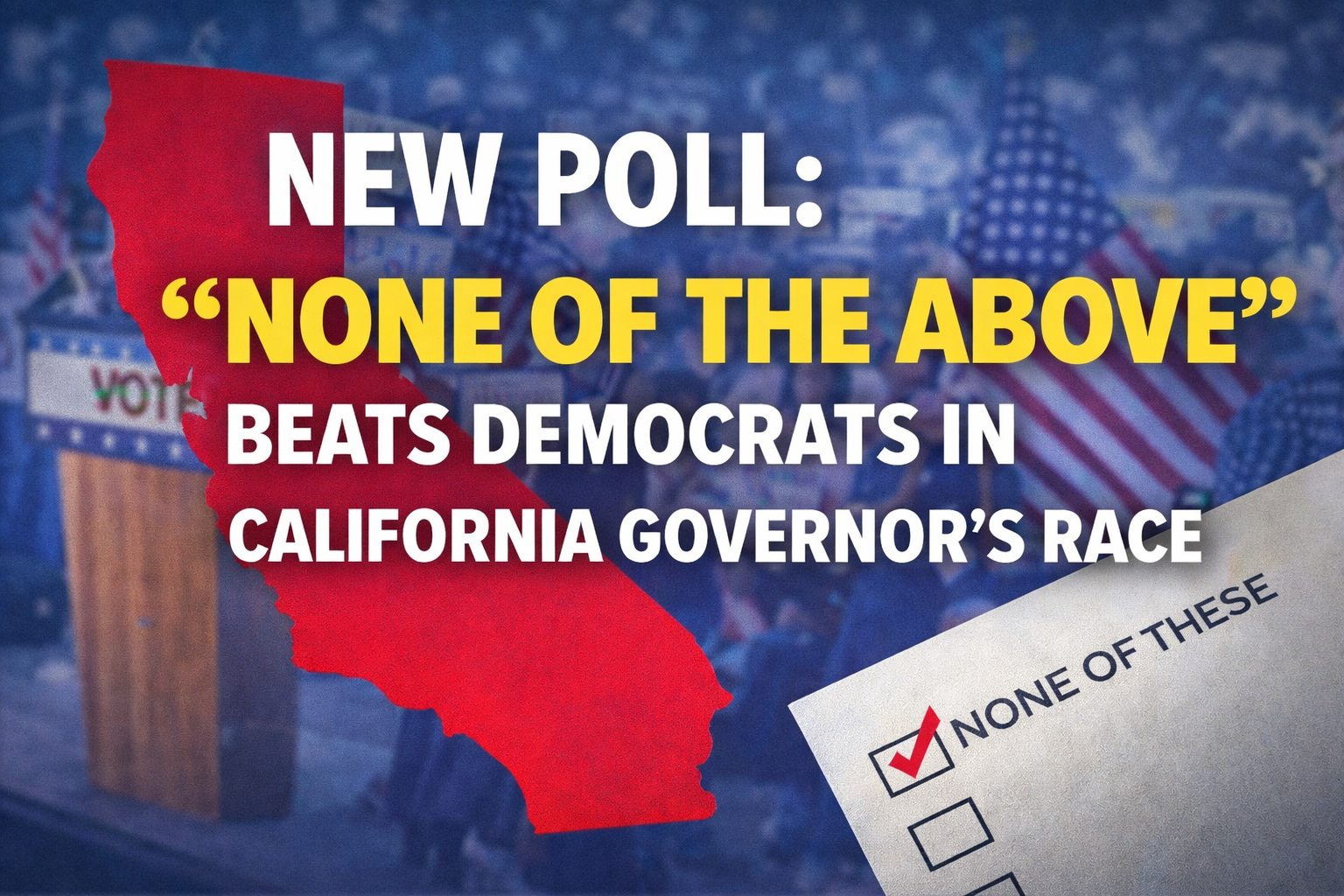
He highlights growing voter exhaustion with ideological extremes and notes a slow but real rise in demand for “no-drama,” problem-solving leadership. A critical point he makes is that most campaigns still operate as if California had a closed, partisan primary system, despite the reality of a Top Two nonpartisan open primary.
It has left candidates ill-prepared to appeal to independent voters (registered No Party Preference in the state), who ultimately decide highly competitive elections.
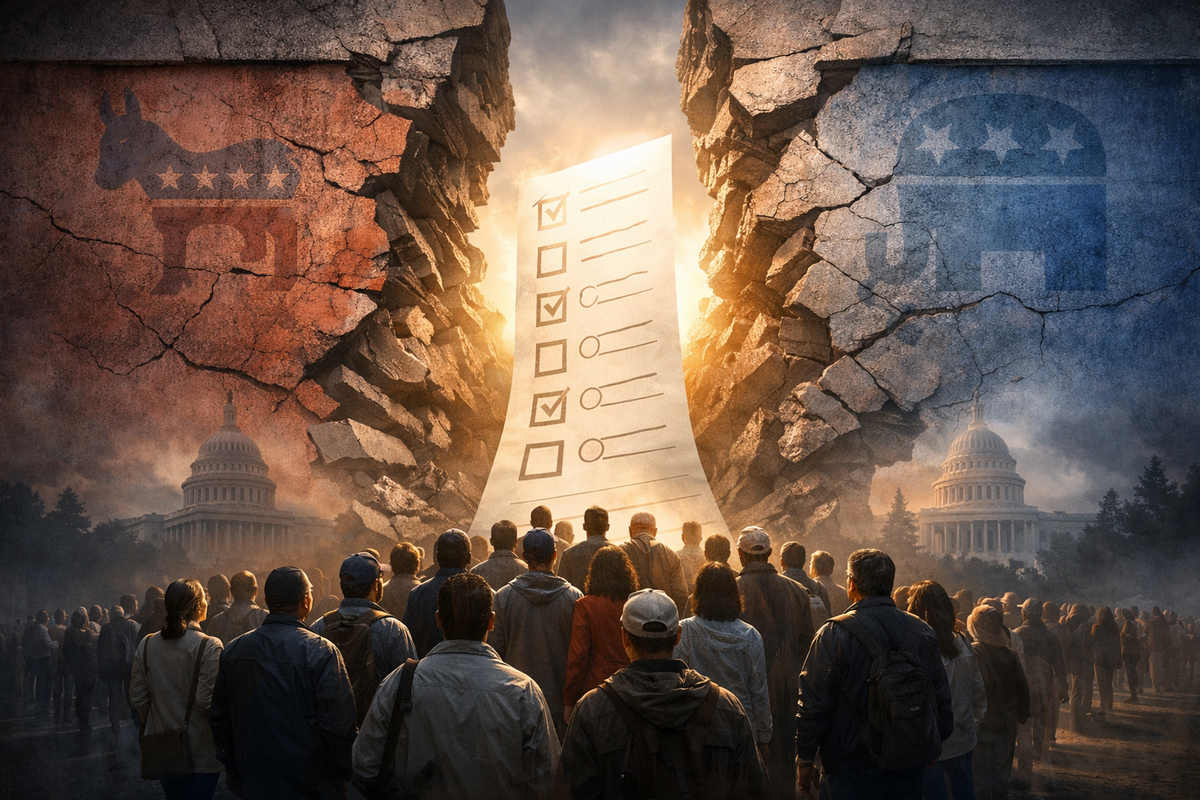
The conversation then pivots to structural reform, emphasizing the powerful combination of open primaries and ranked choice voting (RCV) as a way to reduce polarization, discourage manipulation by political consultants, and give voters meaningful choice. Peace explains that closed primaries incentivize extremism and suppress participation, while nonpartisan election models can shift incentives.
Alaska’s Top Four primary with RCV, for example, has produced broader coalitions, higher engagement from underrepresented communities, and more pragmatic governance. Cara, Shawn, and Steve repeatedly frame this as a voter-centric movement -- focused not on promoting independent candidates, but on protecting every voter’s right to participate without joining a party.
Finally, the episode addresses national flashpoints including immigration enforcement, ICE raids, sanctuary city policies, voter ID, mail-in ballots, and renewed disputes over election integrity following federal scrutiny of ballots in Georgia.
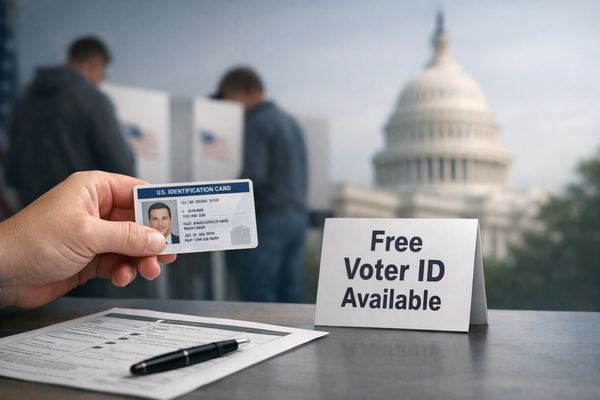
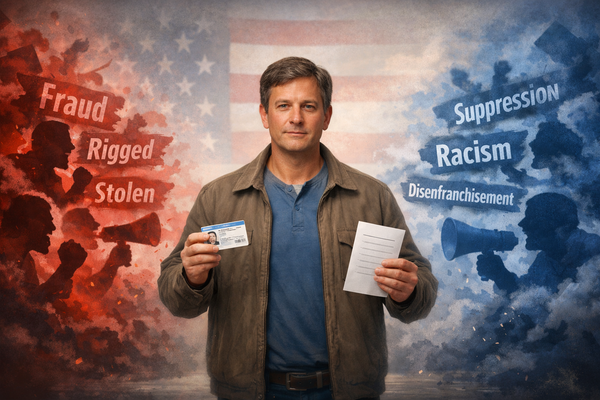
Peace argues most Americans support “walk-and-chew-gum” solutions: removing violent criminals while creating rational legal pathways for long-term residents, and implementing carefully drafted voter ID safeguards without suppressing turnout. He criticizes both parties for exploiting fear to raise money and inflame narratives, contending that durable solutions require de-escalation, transparency, and systemic reform rather than partisan escalation.