Spoiler Effect Manipulation May Be Tool in Russian Playbook
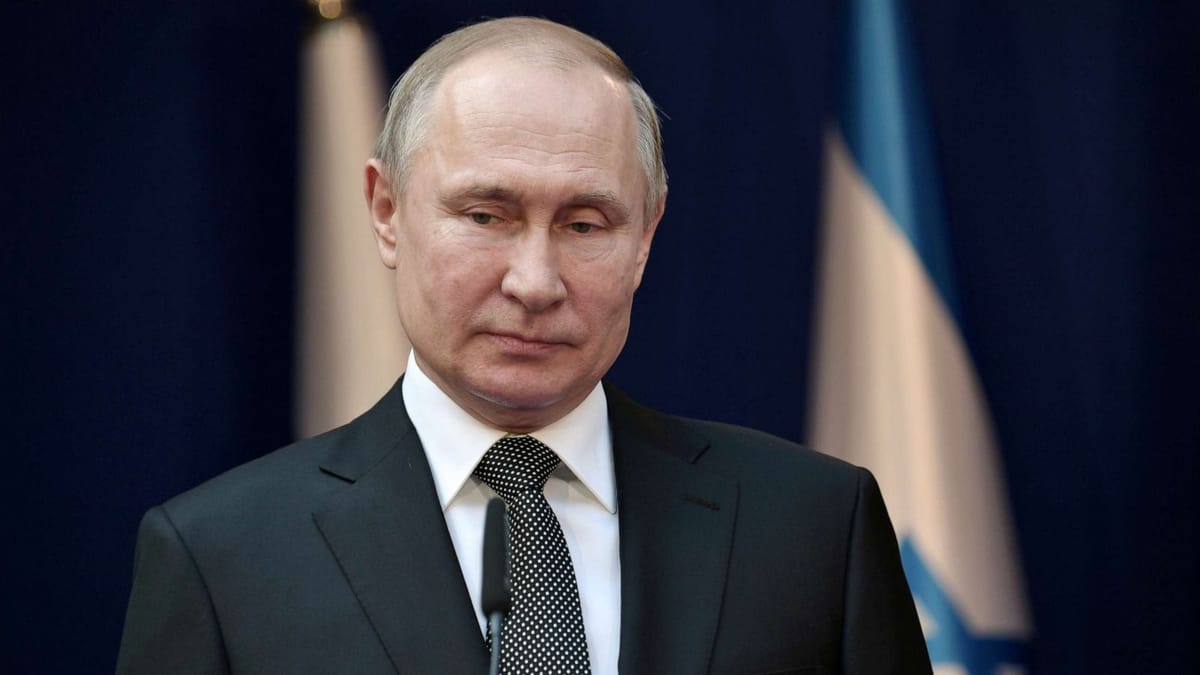
A largely ignored development at year-end 2017 was the story that the Green Party presidential candidate Dr. Jill Stein’s campaign is under senate investigation for collusion with Russia.
Dr. Stein was the Green Party’s presidential nominee in 2016 and was on the general election ballot in 47 states. She received more votes than Donald Trump’s margin of victory in Michigan, Pennsylvania, and Wisconsin. Those states accounted for a combined 46 electoral votes and together would have swung the election to Hillary Clinton.
It was widely reported that Dr. Stein attended a gala celebration dinner in Moscow commemorating the 50th anniversary for RT, the Russian government-owned English-language media organization, on December 10, 2015. At the dinner, she is pictured seated for dinner at the same table as Russian president, Vladimir Putin. Also seated at the table, next to Mr. Putin, is Donald Trump’s subsequent National Security Advisor, Michael T. Flynn.
Given Dr. Stein’s long history supporting liberal and progressive causes, I don’t believe for a second that she was a knowing participant in Russia’s shenanigans to elect Donald Trump. But could she have become an unwitting pawn in the larger game Russia was playing?
A fictional conversation in late 2015 springs to mind:
“Well, Vladimir, the spoiler effect is actually great for crushing choice. You certainly have to respect that.”
Months later, the conversation resumes:
This might be worth a chuckle if it wasn’t our democracy at stake.
Let me be clear. I have no idea if anything like this happened. But does anyone really doubt that it could have?
Each of our 50 states award its presidential electoral votes to the top vote-getter regardless of the support for third parties and independents--there is no runoff, and no majority result is required.
By voting for the third party or independent candidate that they prefer most, voters realize that they may help elect the major party candidate they like the least.
Perhaps even worse, the spoiler effect presents an opportunity for malicious exploitation. Florida in 2000 was a screaming advertisement for future swing-state manipulation. Why wouldn’t an ethically-deficient opportunist—Russia, or perhaps a special-interest PAC—throw support to an outside candidate to spoil an election to their favor? And why wouldn’t they focus on the swing states?
Our electoral system punishes voters who dare vote for third-party or independent candidates. That dynamic saddles us with two choices and two parties. That devil is known. But does it also make it even easier for outside forces to put their thumb on our scale? To game our system and determine our president?
There are policy solutions to this problem (a two-round runoff, a ranked ballot, etc.). What are we waiting for?